Source Vertical Rice Thresher for Beans, Wheat, and Soybeans
Find and compare 30 vertical rice thresher models suitable for processing beans, wheat, and soybeans. Evaluate specifications such as 380V voltage, 300-1000kg/h capacity, and steel construction to identify the right machinery for your agricultural needs.
Key considerations
Products List

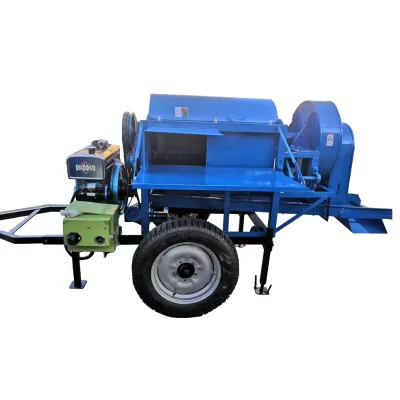


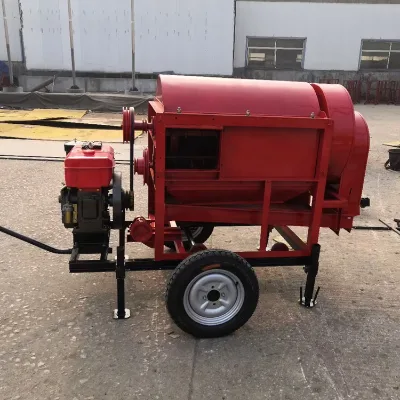
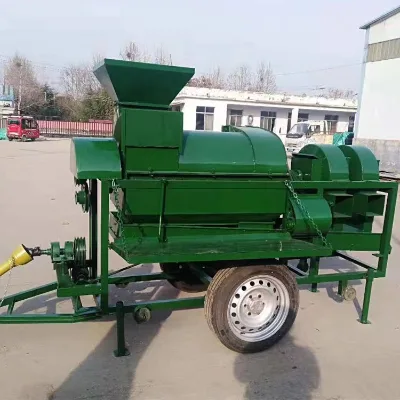


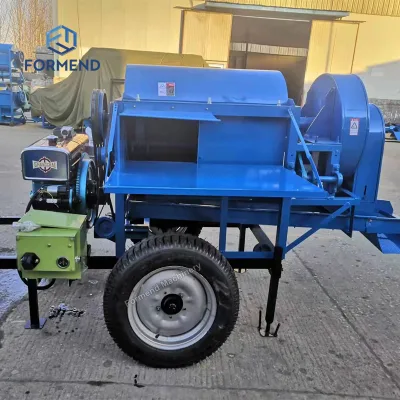
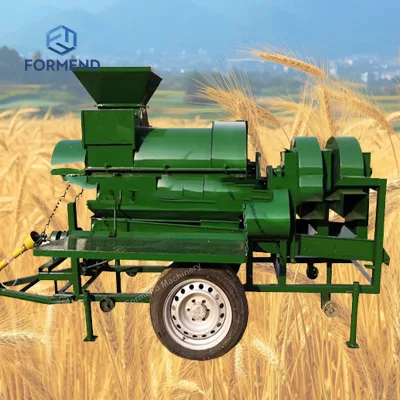
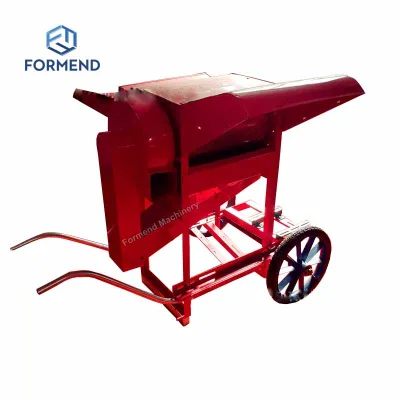
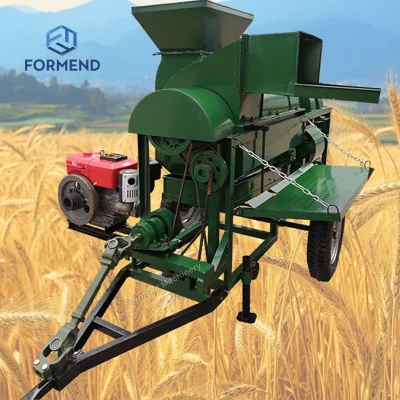
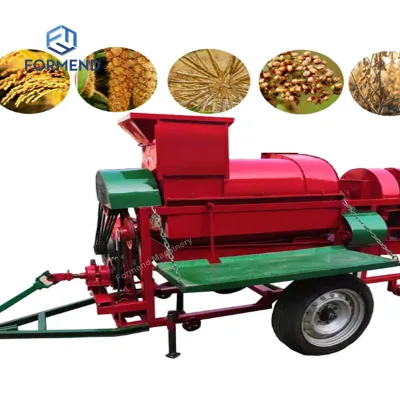
Comprehensive Sourcing Guide
Vertical Rice Thresher Sourcing Guide
Sourcing vertical rice threshers requires a nuanced understanding of agricultural machinery specifications, as the term often overlaps with related processing equipment such as rice mills or multi-crop threshers. Buyers must distinguish between machines designed specifically for separating grain from rice husks and those intended for broader agricultural applications involving beans, wheat, or soybeans. The vertical configuration typically implies a space-saving design or a specific mechanical action suited for continuous feeding, which differs significantly from horizontal threshers that may rely on different drum or cylinder mechanisms. Understanding this distinction is critical for aligning procurement with actual farm or processing facility needs, ensuring that the machinery selected can handle the specific moisture content and volume of the rice crop intended for processing.
The market for these machines is characterized by a wide variance in technical capabilities, power sources, and output capacities. While some listings may refer to vertical units with capacities ranging from 300 kg/h to 1000 kg/h based on soybeans or rice, others may describe multi-crop threshers with different dimensional profiles. Buyers should carefully evaluate the stated capacity against their daily processing requirements, noting that efficiency can vary based on the type of grain being processed. For instance, a machine rated for soybeans may require adjustments or different settings to effectively thresh rice without damaging the grain. This variability underscores the importance of verifying the specific application claims and performance metrics provided by suppliers before committing to a purchase.
Product Scope and Observed Listing Signals
The observed product landscape includes a diverse array of agricultural machinery, with listings indicating both horizontal and vertical configurations. Some products are explicitly described as multi-crop threshers capable of handling soybeans, broad beans, sorghum, African millet, and sunflowers, while others are specialized for rice, wheat, and flour production. The presence of vertical appearance attributes in certain listings suggests a design optimized for vertical space utilization, which is particularly valuable in facilities with limited floor space. However, buyers must cross-reference these appearance claims with detailed dimensional data, as some vertical units may have substantial footprints, such as those measuring 340x170x156 cm, which impacts installation and logistics planning.
Listing signals also reveal significant variations in power requirements and core components. While some units operate on standard 380V electrical systems with 3kW or 1500W power ratings, others offer flexibility with electric motor or diesel engine options. This diversity allows buyers to select machinery that aligns with their available infrastructure, whether they have access to stable three-phase power or require portable, engine-driven solutions. Additionally, the core components listed, such as engines, highlight the mechanical heart of these machines, but the absence of detailed machinery test reports in some listings necessitates a higher degree of due diligence. Buyers should treat these listing signals as starting points for inquiry rather than definitive specifications, verifying each claim through direct communication with suppliers.
Technical Specifications to Verify
When evaluating technical specifications, the first priority is confirming the machine’s capacity and throughput relative to the specific crop being processed. Listings may cite capacities such as 300 kg/h based on soybeans or 1000 kg/h for rice, but these figures are often idealized and can vary based on grain moisture, size, and feeding consistency. Buyers should request detailed performance data or case studies that demonstrate actual throughput under conditions similar to their own operations. It is also essential to verify the power source compatibility, ensuring that the machine’s voltage and power requirements, such as 380V or 1500W, match the electrical infrastructure at the installation site. Mismatches in power specifications can lead to operational inefficiencies or require costly electrical upgrades.
Dimensional and weight specifications are equally critical for logistical planning and facility design. Vertical rice threshers may have single package sizes ranging from 340x170x156 cm to larger configurations, with gross weights potentially reaching 600 kg. These dimensions impact not only the physical footprint of the machine but also the requirements for transportation, handling equipment, and installation space. Buyers should verify whether the listed dimensions include packaging or represent the bare machine, as this distinction affects shipping costs and on-site assembly needs. Additionally, the material composition, often steel, should be assessed for durability and resistance to wear, particularly in high-throughput environments where continuous operation can accelerate component degradation.
Compliance and Safety Documentation
Compliance and safety documentation are paramount when sourcing agricultural machinery, especially for equipment that may be used in international markets. Buyers should inquire about the availability of machinery test reports, which provide independent verification of performance and safety standards. While some listings indicate that these reports are not available, others may offer video outgoing inspections, which can serve as a preliminary verification of the machine’s condition and functionality. However, video inspections should not replace formal certification documents, particularly for machinery that will be operated in regulated environments. Buyers must ensure that the supplier can provide comprehensive documentation that meets the safety and operational standards of the destination country.
Certification standards such as ISO9001 and CE are frequently cited in product listings, indicating adherence to quality management and European safety directives. Buyers should verify the validity and scope of these certifications, ensuring that they apply to the specific model of the vertical rice thresher being purchased. Additionally, the warranty terms, often listed as one year, should be carefully reviewed to understand the coverage for parts, labor, and potential downtime. A robust warranty can mitigate the financial risk of early equipment failure, but buyers should also clarify the process for claiming warranty support, including the availability of spare parts and technical assistance. Understanding these compliance and warranty details is essential for long-term operational reliability and risk management.
Cost Drivers and Commercial Terms
The cost of vertical rice threshers is influenced by several key factors, including power source, capacity, and material construction. Machines with diesel engine options or higher power ratings may command a premium due to the increased complexity and durability of their components. Similarly, units with higher throughput capacities, such as those rated at 1000 kg/h, may be priced higher than smaller, 300 kg/h models. Buyers should request detailed quotations that break down the cost of the machine, shipping, and any additional accessories or spare parts. This transparency allows for accurate budgeting and comparison of total cost of ownership across different suppliers, rather than focusing solely on the initial purchase price.
Commercial terms, including minimum order quantities (MOQ) and payment conditions, also play a significant role in the procurement process. While some listings indicate an MOQ of three units, others may allow for single-item purchases, which can be advantageous for small-scale operations or trial orders. Buyers should negotiate terms that align with their cash flow and inventory management strategies, considering the implications of bulk purchasing versus individual unit acquisition. Additionally, the packing method, whether nude, plywood box, or seaworthy packing, can affect shipping costs and the risk of damage during transit. Clear communication regarding these commercial terms ensures that both parties have a shared understanding of the transaction, reducing the potential for disputes or unexpected expenses.
Supplier Qualification and Quality Control
Supplier qualification is a critical step in ensuring the reliability and quality of the vertical rice thresher. Buyers should assess the supplier’s production capacity, which may be listed as 500 units, to gauge their ability to fulfill orders consistently and maintain quality standards. A high production capacity can indicate a mature manufacturing process, but it is essential to verify this claim through site visits or third-party audits if possible. Additionally, the supplier’s location, such as Shijiazhuang, Shandong, or Hubei in China, may influence logistics costs and lead times. Buyers should consider the proximity of the supplier to major shipping ports or their own facility to optimize transportation efficiency.
Quality control measures, including video outgoing inspections and adherence to standards like ISO9001, provide insights into the supplier’s commitment to product quality. Buyers should request detailed quality control protocols, including testing procedures for core components such as engines and threshing mechanisms. The availability of machinery test reports, even if not initially listed, should be explored as a potential requirement for final acceptance. Furthermore, the warranty terms and after-sales support capabilities are key indicators of the supplier’s confidence in their product. A supplier that offers comprehensive support and a robust warranty is more likely to deliver a reliable machine that meets long-term operational needs.
Long-Term Procurement Checks
Long-term procurement success depends on establishing a sustainable relationship with suppliers who can provide consistent quality and support. Buyers should implement regular performance reviews of the machinery, tracking metrics such as throughput efficiency, maintenance frequency, and downtime. These data points can inform future purchasing decisions and help identify potential issues with specific models or suppliers. Additionally, maintaining a stock of critical spare parts, such as engine components or threshing drums, can minimize operational disruptions and extend the lifespan of the machinery. Buyers should work with suppliers to develop a spare parts strategy that aligns with their operational schedule and risk tolerance.
Continuous engagement with suppliers for updates on technology and product improvements is also essential for staying competitive in the agricultural sector. As machinery technology evolves, newer models may offer enhanced efficiency, durability, or ease of maintenance. Buyers should stay informed about these advancements and evaluate whether upgrades or replacements are warranted based on their operational needs. Furthermore, fostering open communication with suppliers regarding feedback and issues encountered during operation can lead to product improvements and stronger partnerships. By prioritizing long-term relationships and continuous improvement, buyers can ensure that their vertical rice thresher procurement strategy remains effective and aligned with their evolving business goals.
FAQs
What is the power consumption of a vertical rice thresher?
The power consumption is typically 1500 W or 3 kW depending on the model. Electric motors are standard for consistent operation. Some units offer diesel engine options for remote areas. Always verify the specific wattage for your intended application to ensure grid compatibility.
Can the machine handle multiple crop types beyond rice?
Yes, the equipment supports various grains including soybeans, broad beans, sorghum, African millet, and sunflower. It is also suitable for wheat and seed processing. This versatility makes it ideal for multi-crop farming operations requiring a single efficient threshing solution.
What is the production capacity of the vertical thresher?
Capacity ranges from 300 kg/h based on soybeans to 1000 kg/h for other grains. The exact output depends on the specific model and crop density. Higher capacity models are available for large-scale industrial processing needs. Check the specific model number for precise throughput rates.
Is customization available for the vertical rice thresher?
Customization is available to meet specific operational requirements. Buyers can request tailored specifications for voltage, power, or dimensions. The manufacturer supports customized designs for unique farming environments. Contact suppliers directly to discuss your specific customization needs and technical constraints.
What certifications do the vertical rice threshers have?
Many models comply with ISO9001 and CE standards. These certifications ensure quality management and safety compliance for international markets. Verify specific documentation with the supplier before purchase. Certified machines are essential for meeting regulatory requirements in export destinations.
What is the typical warranty period for this equipment?
The standard warranty period is one year. This covers core components like the engine under normal operating conditions. Extended warranty options may be available through specific suppliers. Always review the warranty terms and coverage details provided by the manufacturer before finalizing the order.